
UniTerra
Earth's supercontinent: the landmass forged by the Great Cataclysms, cradle of the uplifted peoples and the Lumens.
> 120 million km² · Six regions · LCUS capital world
UniTerra is the supercontinent of Earth — not another name for the planet — formed in the Great Cataclysms of 2800–2877 AD, when Earth's continents collided at impossible speed into a single landmass of about 120 million km². It became the stage for five thousand years of survival, uplift and transformation, and later the capital world of the LCUS.
It holds six great regions: Boreas and Kouko Vallis, taiga and a hyper-oxygenated vertical rainforest in the north; the Heartland, fertile plains around the capital Calloo; Orion and Zephyrus, desert, highland and industry in the east and west; and the Austral, grasslands and rainforest in the south.
Beyond its coasts lie the polar continents Arcturia and Antarkos, the human holdout land of Tungol, and four oceans.
A World Remade In A Lifetime
In 77 years Earth's plates moved millions of times faster than normal — hundreds of kilometres a year — as North America shattered and struck Eurasia, South America turned, Africa tilted, and volcanism resurfaced nearly a third of the new land.
Oxygen rose from 21% to 27–29.8%, cosmic radiation climbed, the world warmed by about 4°C, and life answered with gigantism: forests two thousand metres tall and megafauna that ended humanity's place as apex predator.
Vast hypercyclones circle Arcturia with winds above 300 km/h; a high continental jet bisects UniTerra east to west; monsoons intensified with the supercontinent's sheer size.
Scholars still argue whether the Cataclysms were wholly natural. The impossible plate speed, the oxygen surge and the survival of exactly seven enclaves are often read as the Imposed Layer at work.
Routes That Shaped UniTerra
Eight Lands Of UniTerra
Six regions of the supercontinent, the outlying lands, and the oceans and archipelagos between them.
{{ cluName }}
{{ cluHolder }}
{{ p.text }}
{{ cluLesson }}
UniTerra Through The Ages
SEVEN ERAS · USE ← → TO NAVIGATEFrom the Great Cataclysms and the Phoenix Civilizations, through the Post-Cataclysm Wars and the Uplift Era, to the Lumen Ascendancy and the capital world.
Five Economies
UniTerra's economy was rebuilt five times: survival barter, the Canine pack economy, the Pax Sapiens capability economy, URAP algorithmic allocation and, finally, Lumen post-scarcity.
Many Peoples, One Ground
Lumens lead government and interstellar affairs; unmodified humans keep their largest communities in Tungol; Canines, Felines, Primates, Swine, Cetaceans, Cephalopods and other uplifted peoples hold their own territories, languages and arts.
Daily life crosses species lines constantly — buildings for bodies of every size, laws for lifespans from forty years to eight hundred, and speech in song, colour and scent as well as words.
The Questions Asked Here
A world built by humans, transformed by uplift and now governed largely by Lumens still asks the question its history never settled: who belongs here, and on whose terms?
{{ q.text }}
Who Governs UniTerra
The elected UniTerra Council governs from the Calloo Metrozone as a federal parliamentary democracy, with a Council of Regions, an Assembly of Peoples, a Prime Executive and the Lumen Judiciary Council.
Tensions remain between central Lumen government and regional autonomy, and over representation for non-Lumen peoples.
Chronology At A Glance
In The Stories
UNITERRA NARRATIVES · 2 FREE STORIES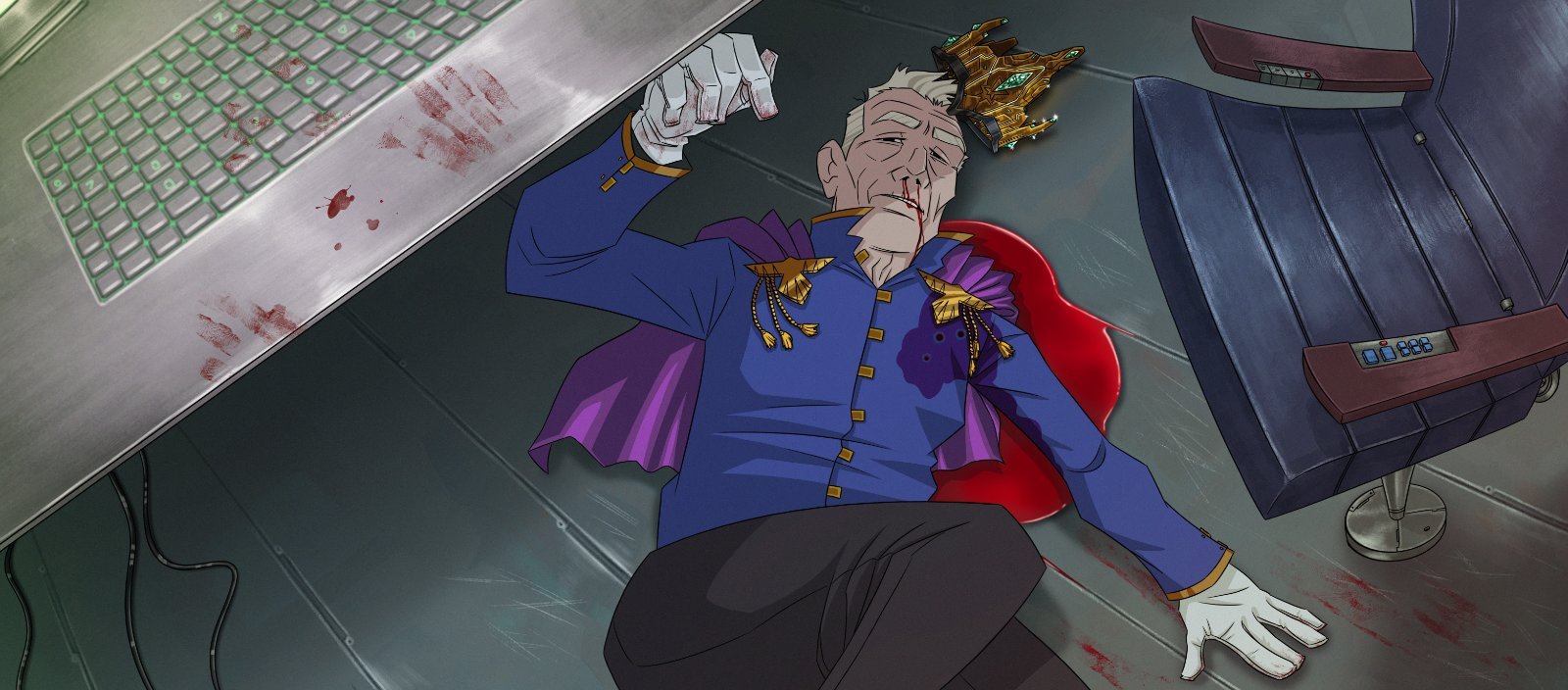
The Great Gridlock: Empire of Ash
The Cataclysms that follow the Gridlock reshape Earth into UniTerra. This is the world they broke, in 2796 AD.
Read free →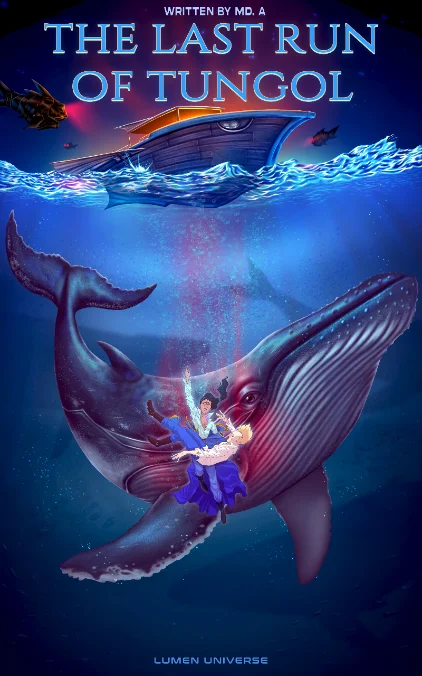
The Last Run of Tungol
6340 AD. UniTerra’s gene-menders and salt-seed crates stand behind a baseline island’s last smuggling run.
Read free →Reading UniTerra
{{ p.title }}
{{ p.text }}
Reborn, and still negotiating.
UniTerra rose from a catastrophe that killed nearly all of humanity and became the most biologically and politically diverse world in known space. Its peoples survived megafauna, fought for water and sea, uplifted new minds and were transformed themselves. By about 15,000 AD it is the capital of an interstellar coalition — a coexistence constantly renegotiated, never finished.